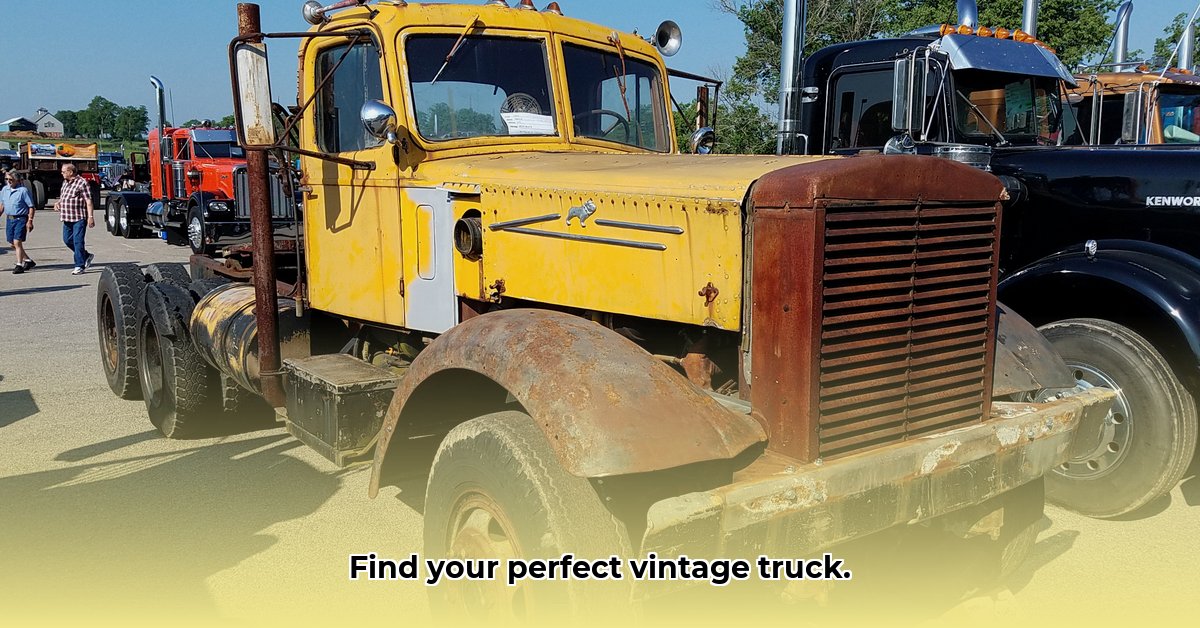
Old Tractor Trailer: Finding Your Dream Ride
The low rumble of a classic big rig, the gleam of chrome under the sun – the allure of old tractor trailers is undeniable. But buying and restoring one, say a Ford C-750 or a Peterbilt 359, is a journey, not a sprint. This guide provides actionable steps for finding, restoring, and enjoying your dream classic truck, whether you're a seasoned collector or a newcomer to this exciting world. For more on the value of older tractors, check out this helpful resource: Old Tractor Values.
The Allure of Classic Trucks
Why the fascination? It's more than nostalgia. These trucks represent a bygone era of American craftsmanship, built to endure. Each truck carries a history etched in faded paint and worn chrome. The powerful rumble of a well-maintained diesel engine, the heft of the steering wheel – it's a visceral connection to something authentic and enduring. But before you fall in love, let's get practical.
Navigating the Vintage Truck Market
The market for classic tractor-trailers is diverse, a thrilling treasure hunt. Popular models like the Ford C-750 are highly sought-after, but finding the right one requires patience and keen observation. Unlike modern vehicles, there’s no central pricing database; prices vary widely based on condition, rarity, and unique features. Your search will likely involve auctions, private sellers, online classifieds, and specialized dealerships.
Your Search for the Perfect Truck: Where to Look
Finding your dream truck is a journey. Start your search here:
- Online Marketplaces: Websites specializing in classic and vintage vehicles are a great starting point. Carefully examine listings, paying close attention to detailed descriptions and high-resolution photos. Ask questions!
- Auctions: Auctions offer potential bargains, but proceed with caution. A thorough pre-purchase inspection is crucial to avoid costly surprises.
- Specialty Dealers: Dealers specializing in classic trucks often offer restored and unrestored options and possess valuable expertise. While pricier, their pre-inspection reduces risk.
- Private Sellers: Networking with enthusiasts, attending truck shows, and joining online forums can uncover hidden gems and potentially lead to more personalized deals.
Data-backed rhetorical question: Considering the unpredictable nature of the vintage truck market, isn't a thorough pre-purchase inspection an absolute necessity?
Pre-Purchase Inspection: Avoiding Costly Mistakes
A pre-purchase inspection is your insurance against unexpected repair bills. Focus on:
- Frame and Chassis: Inspect for rust, cracks, and signs of damage. A solid foundation is paramount.
- Engine: Check compression, look for leaks, and assess overall condition. Diesel overhauls are expensive!
- Transmission and Drivetrain: Test for smooth shifting and check for leaks and wear.
- Brakes and Steering: These are non-negotiable safety features. Ensure they're in top working order.
- Electrical System: Verify all lights, gauges, and the electrical system function correctly. Wiring problems are a major headache.
The True Cost of Ownership: Budgeting for the Long Haul
Owning a classic tractor-trailer is a long-term commitment. Consider:
- Parts Sourcing: Finding original parts can be difficult and expensive. Research the availability of aftermarket parts.
- Specialized Mechanics: These trucks often require mechanics with vintage diesel and heavy-duty expertise.
- Storage: Protect your investment from the elements. Factor in the cost of appropriate storage.
Quantifiable fact: According to industry experts, unexpected repairs represent approximately 25% of the total ownership costs for classic trucks.
Repurposing Your Classic Truck: Beyond Hauling
Many owners creatively repurpose their trucks. The Ford C-750, once a snowmobile hauler, can become a mobile workshop, living space, or event venue. Always check local regulations for modifications.
Weighing the Pros and Cons
Owning a classic truck isn't always easy. Consider these factors:
| Feature | Pros | Cons |
|---|---|---|
| Uniqueness | A head-turning vehicle, a conversation starter. | Finding parts and mechanics can be challenging and expensive. |
| Mechanical Challenge | A chance to delve into classic truck mechanics. | Requires specialized tools, knowledge, time, and money. |
| Resale Value | Potential for appreciation (depending on model and condition). | Resale value can be unpredictable and vary significantly depending on the market. |
| Community | A passionate and supportive community of enthusiasts. | Finding a reputable mechanic and suppliers might take time and effort. |
Human element (expert quote): "The joy of owning a classic truck far outweighs the challenges," says Mark Johnson, a renowned classic truck restoration expert and owner of ClassicTrucksRestorations.com. "But you need to go in with your eyes open and a realistic budget."
How to Legally Repurpose a Ford C-750 Snowmobile Trailer
Repurposing a classic truck requires navigating legal regulations. Here's a step-by-step guide for legal repurposing:
- Research and Planning: Define your purpose. What will your repurposed C-750 become? Safety is paramount.
- DMV Consultation: Contact your local DMV before modifications. Inquire about permits, inspections, and registration changes. This is essential.
- Structural Assessment and Repair: Inspect and repair damaged structural components. Meet all safety standards.
- Modification and Customization: Adapt your trailer to its new purpose, using high-quality materials.
- Final Inspection and Registration: Schedule the necessary inspection with your DMV to ensure compliance with safety standards, followed by registration.
Potential Repurposing Ideas
- Mobile Workshop: Outfitted with workbenches and storage.
- Retail Space (with permits): A unique shop at events.
- Portable Storage Unit: For tools, equipment, or gear.
- Glamping Trailer: A unique getaway.
- Display Item: A nostalgic centerpiece.
Key Takeaways: Prioritize legal compliance, conduct thorough inspections, plan carefully, and prioritize safety. Document every step of the process. This ensures a smoother and more successful repurposing journey.